If you are going to use a passage of Lorem Ipsum.
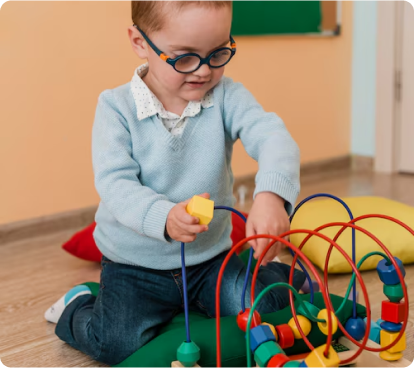
Stories have always been a powerful way to share ideas and teach lessons. For children, storytelling is not just fun but a way to understand the world around them. When it comes to teaching kids about wellness and health, stories can make learning easier, more exciting, and memorable.
Children naturally love stories with characters they can relate to. When they see someone like themselves going through an experience, it helps them feel connected. This connection opens the door for important lessons about taking care of their bodies and minds. For example, a story about a child learning to use crutches or visiting the doctor can make those moments less scary and more understandable.
Stories also give children a chance to imagine and ask questions. When kids hear about someone getting hurt and healing, they start thinking about their own bodies. They might wonder what happens when they fall or how a broken bone fixes itself. This curiosity is a great way to encourage children to care about their health and feel brave when facing challenges.
Using simple and clear language in stories helps children grasp complex ideas. Talking about bones, muscles, or feelings can be difficult, but a well-told story breaks it down into manageable pieces. The characters’ adventures can explain what doctors do, why rest is important, or how eating good food helps us heal. These lessons stick with kids because they are part of a story they enjoyed.
Another benefit of storytelling is that it shows emotions in a safe way. Kids can learn that feeling scared, sad, or worried is okay, especially when dealing with health problems. Stories can teach them how to handle these feelings by showing characters who face similar worries and find ways to feel better.
Parents, teachers, and caregivers can use storytelling to start conversations about wellness. Reading health-related stories together creates a chance to talk openly about what children see and feel. This helps kids ask questions and express concerns they might have, but don’t always say out loud.
The ‘Dick and Dawn Better Health is Better Fun’ series is a great example of how stories teach wellness. Through the adventures of two friends, children learn about the body, injuries, and healing in ways that feel real and friendly. These stories make health topics easy to understand and encourage kids to be curious and active about their well-being.
In short, storytelling is more than just entertainment for children. It is a natural way for them to learn important lessons about health and wellness. By sharing stories that explain the body, emotions, and care, adults can help children grow up confident, informed, and ready to take good care of themselves.